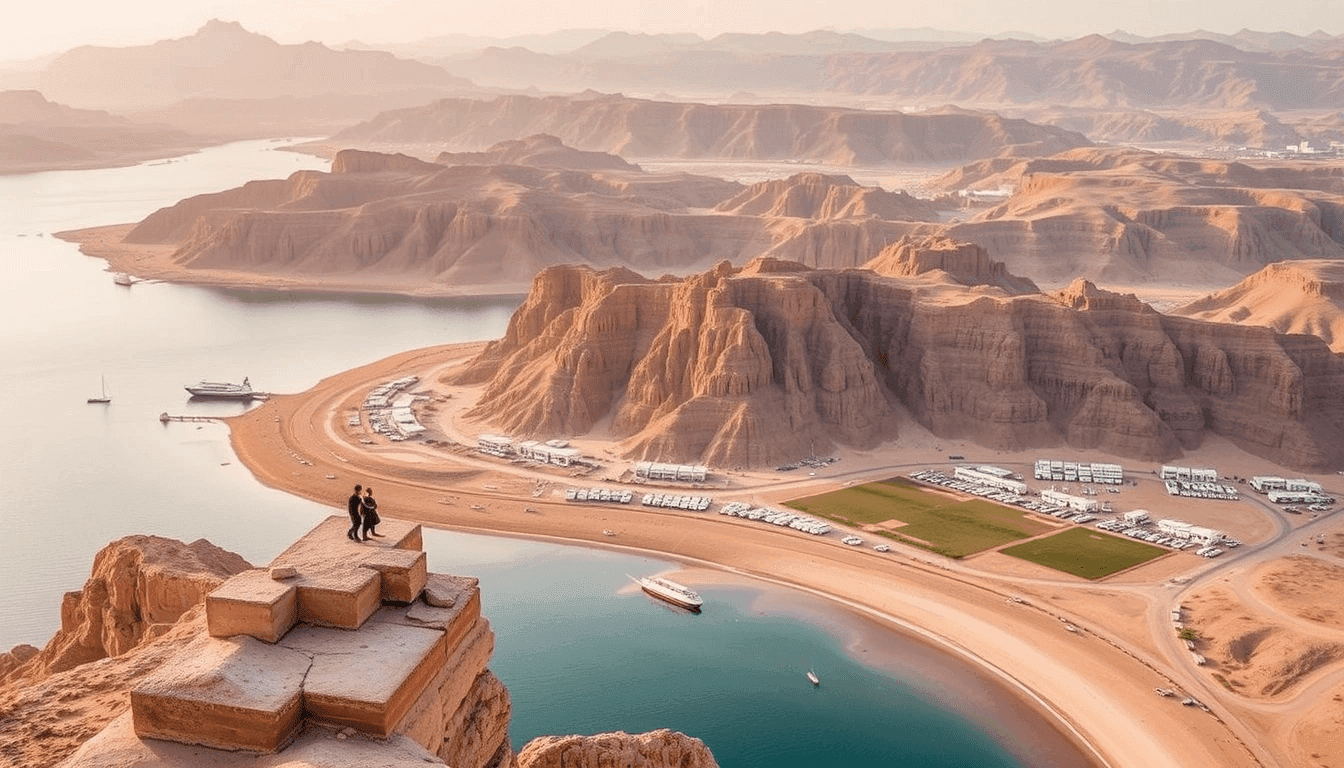
Planning a trip to Oman? You're in for a treat. This incredible country, nestled on the southeastern coast of the Arabian Peninsula, offers a unique blend of ancient traditions, stunning natural beauty, and modern comforts. It's a place where majestic mountains meet pristine coastlines, and bustling souqs stand alongside luxurious resorts. Unlike some of its flashier neighbors, Oman prides itself on preserving its authentic culture and breathtaking landscapes. This guide will help you understand what to expect and how to make the most of your adventure.
Oman is often called the "Jewel of Arabia" for good reason. It’s a safe, welcoming, and remarkably diverse destination. Here, you can:
- Explore ancient forts and castles: Relive history at impressive structures like Nizwa Fort and Jabrin Castle.
- Marvel at dramatic landscapes: From the towering peaks of Jebel Shams (the "Grand Canyon of Arabia") to the lush wadis (riverbeds) like Wadi Shab and Wadi Bani Khalid.
- Experience desert magic: Spend a night under the stars in the Wahiba Sands.
- Discover vibrant marine life: Snorkel or dive in the crystal-clear waters of the Daymaniyat Islands.
- Immerse yourself in culture: Wander through traditional souqs, visit the Sultan Qaboos Grand Mosque, and enjoy genuine Omani hospitality.
It’s a country that offers adventure, relaxation, and cultural enrichment without ever feeling over-touristed.
Getting to Oman is straightforward, but understanding the visa process is key.
Most visitors will need a visa to enter Oman. The process has become much easier with the introduction of the electronic visa (e-visa) system.
- Who Needs a Visa? Most nationalities, including those from the US, UK, EU, Canada, and Australia, require a visa. Some GCC nationals are exempt.
- How to Apply: The easiest way is through the official Oman e-visa portal. You'll need to create an account, fill out the application, upload documents (passport scan, photo), and pay the fee.
- Documents Required:
- Passport valid for at least six months beyond your planned departure date.
- Digital passport-style photograph.
- Credit or debit card for payment.
- Types of E-Visas:
- Single Entry Tourist Visa (26A/26B): Valid for 30 days from entry, typically costs 20 Omani Rials (OMR).
- Multiple Entry Tourist Visa (36B): Valid for one year, allowing multiple 30-day stays, usually costs 50 OMR.
- GCC Resident Visas: If you hold a valid residency permit for a GCC country (UAE, Saudi Arabia, Qatar, Bahrain, Kuwait), you might qualify for a shorter, cheaper visa (often 5 OMR for 28 days), provided your profession is listed as eligible. Check the e-visa portal for specific requirements.
- Processing Time: E-visas usually take a few days to process, but it's always best to apply at least one week before your trip to be safe. You'll receive an email notification once approved.
- On Arrival Visas: While historically available, the Omani government strongly encourages and sometimes mandates the e-visa for most nationalities. Don't rely on getting a visa on arrival unless explicitly stated as an option for your nationality on the official e-visa portal just before your trip.
Oman's main international airport is Muscat International Airport (MCT), located just outside the capital city. It's well-connected with direct flights from major hubs in Europe, Asia, and the Middle East. Salalah (SLL) also has an international airport, primarily serving flights from other GCC countries and some European charters in winter.
The best time to visit Oman largely depends on what you want to do, but generally, the cooler months are preferred.
- Peak Season (October to April): This is the ideal time to visit.
- Weather: Temperatures are pleasant, ranging from 20°C to 30°C (68°F to 86°F), making it perfect for outdoor activities, hiking, and exploring.
- Events: You might catch events like the Muscat Festival (usually Jan/Feb).
- Shoulder Season (May & September):
- Weather: Starts to get hot, especially in May, but still manageable if you plan indoor activities or head to higher altitudes like Jebel Akhdar.
- Crowds: Fewer tourists, potentially lower prices.
- Off-Peak / Summer (June to August):
- Weather: Extremely hot, with temperatures often exceeding 40°C (104°F), particularly in Muscat and the interior.
- Khareef (Monsoon) in Salalah: The exception is Salalah in the Dhofar region, which experiences a unique monsoon season from June to September. The landscape turns green, mists roll in, and temperatures drop, making it a popular domestic tourist destination. If you're visiting during this time, consider heading south!
Practical Tip: If you're visiting during Ramadan, be aware that most restaurants will be closed during daylight hours, and public life slows down significantly. Always show extra respect for local customs during this holy month.
Oman is a country best explored independently, especially if you want to venture into its stunning natural landscapes.
This is by far the most recommended way to get around.
- Pros: Freedom to explore at your own pace, essential for reaching wadis, deserts, and mountain areas. Roads are generally excellent.
- Cons: Can be expensive, especially for 4x4 vehicles.
- Requirements:
- Valid international driving permit (IDP) alongside your national driver's license.
- Credit card for deposit.
- Minimum age of 21-25 (varies by rental company).
- Vehicle Choice:
- For Muscat and major towns, a 2WD sedan is fine.
- For wadis, mountains (Jebel Shams, Jebel Akhdar), and desert excursions, a 4x4 vehicle is highly recommended and sometimes required (e.g., for the road to Jebel Akhdar). Check with your accommodation if a 4x4 is necessary for access.
- Driving Tips:
- Fuel: Petrol stations are plentiful and fuel is relatively cheap.
- Navigation: Google Maps or Maps.me (for offline use) work very well.
- Off-Roading: If you're going off-road, deflate your tires slightly for better traction and reinflate them at a petrol station afterwards. Never attempt off-roading alone without experience or proper recovery gear.
- Wadis: Be aware of flash floods, especially during the rainy season. Check weather forecasts before entering wadis.
- Taxis: Readily available in Muscat and major towns. They are generally unmetered, so always agree on a fare before starting your journey. Ask your hotel for estimated costs to common destinations.
- Ride-Sharing: Apps like Otaxi and Uber operate in Muscat and offer a more transparent pricing structure.
Public transport is limited. There are intercity buses that connect major towns, but they don't serve tourist attractions directly and are not convenient for sightseeing. Within cities, public buses are not widely used by tourists.
Oman offers a huge variety of activities. Here are some highlights:
- Muscat:
- Sultan Qaboos Grand Mosque: A magnificent architectural marvel. Dress code is strict: women need to cover hair, arms, and legs; men should wear long trousers and shirts. Open to non-Muslims in the mornings (usually 8:00 AM - 11:00 AM), except Fridays.
- Mutrah Souq: A bustling traditional market perfect for buying frankincense, Omani silver, textiles, and spices. Haggle politely!
- Al Alam Palace & Old Muscat: Admire the ceremonial palace and the historic walled city, flanked by the impressive Al Jalali and Al Mirani forts.
- Royal Opera House Muscat: A stunning venue for world-class performances.
- Nizwa & Interior:
- Nizwa Fort & Souq: Explore Oman's largest fort, then wander through the souq, famous for its Friday morning cattle market (arrive early!).
- Jabrin Castle: A beautifully restored 17th-century castle known for its intricate wood carvings and painted ceilings.
- Bahla Fort: A UNESCO World Heritage site, one of the oldest and largest forts in Oman.
- Wadis & Mountains:
- Wadi Shab: A popular hike involving swimming through pools to reach a hidden cave waterfall. Allow 3-4 hours and wear appropriate footwear.
- Wadi Bani Khalid: More accessible, with natural pools for swimming and shaded areas for picnics.
- Jebel Shams (Grand Canyon of Arabia): Oman's highest peak. Drive to the "Balcony Walk" for incredible views. A 4x4 is recommended for the final stretch of road.
- Jabal Akhdar: Known for its terraced farms, rose water production, and cooler climate. A 4x4 is mandatory to access the plateau (there's a police checkpoint).
- Desert Adventures:
- Wahiba Sands: Experience dune bashing, camel rides, and spend a night in a desert camp under a blanket of stars. Many camps offer packages including dinner and breakfast.
- Coastal & Marine:
- Daymaniyat Islands: A protected nature reserve, fantastic for snorkeling and diving with colorful coral reefs, turtles, and sometimes whale sharks. Day trips usually depart from Muscat.
- Ras Al Jinz Turtle Reserve: Witness green sea turtles nesting (best seen May to September) and hatching (best seen July to October). Book tours in advance, especially for evening viewings.
- Dolphin Watching: Boat trips from Muscat offer good chances to see various dolphin species.
Oman is a conservative Muslim country, and respecting local customs is vital for a pleasant trip.
- Dress Code:
- Modesty is key. For women, cover shoulders and knees in public. Loose-fitting long skirts or trousers and tops with sleeves are ideal. A headscarf is necessary for mosque visits.
- For men, long trousers and shirts are generally appropriate.
- Swimwear is acceptable at hotel pools and private beaches.
- Greetings: A friendly "Salaam Alaikum" (peace be upon you) is always appreciated. Omani men often shake hands with other men; women generally don't shake hands with men unless offered.
- Photography: Always ask for permission before taking photos of people, especially women. Be respectful.
- Ramadan: During the holy month of Ramadan, eating, drinking, and smoking in public during daylight hours are strictly prohibited, even for non-Muslims. Public life slows down, and many restaurants close until sunset.
- Alcohol: Alcohol is available in licensed hotels and some restaurants, but public consumption is illegal and strictly frowned upon. Don't bring alcohol into the country.
- Currency: The Omani Rial (OMR) is one of the strongest currencies in the world. 1 OMR = ~2.60 USD (check current exchange rates).
- ATMs & Credit Cards: ATMs are widely available in cities and towns. Major credit cards (Visa, MasterCard) are accepted in hotels, larger shops, and restaurants. However, always carry some cash for smaller purchases, souqs, and rural areas.
- Typical Costs (per day, estimated):
- Budget Traveler: 30-50 OMR (hostels/guesthouses, local food, public transport/shared rides).
- Mid-Range: 70-150 OMR (3-4 star hotels, rental car, mix of local and tourist restaurants).
- Luxury: 200+ OMR (5-star resorts, private tours, fine dining).
- Tipping: Tipping is not mandatory but appreciated for good service.
- Restaurants: 5-10% for good service.
- Taxi drivers: Round up the fare.
- Tour guides: 5-10 OMR per person for a full-day tour.
Oman offers a range of accommodation options.
- Hotels & Resorts: From budget-friendly options to luxurious 5-star resorts in Muscat, Salalah, and other major areas.
- Guesthouses & Boutique Hotels: Often found in historic areas or smaller towns, offering a more traditional experience.
- Desert Camps: Essential for a Wahiba Sands experience, ranging from basic Bedouin-style tents to more luxurious glamping options.
- Mountain Resorts: Unique stays in places like Jebel Akhdar and Jebel Shams, offering cool retreats and stunning views.
Booking Tip: Especially during peak season (October-April), book your accommodation well in advance, particularly for popular desert camps and mountain resorts.
Omani cuisine is delicious, influenced by Arab, Persian, Indian, and African flavors.
- Must-Try Dishes:
- Shuwa: A celebratory dish of slow-cooked lamb or goat, marinated in spices and cooked in an underground oven.
- Harees: Wheat and meat porridge, often served during Ramadan.
- Majboos: Rice dish with meat (chicken, lamb, or fish) and spices.
- Halwa: A traditional Omani sweet, gelatinous and fragrant with rosewater, saffron, and cardamom.
- Dates: Oman is famous for its dates, often served with Omani coffee (Qahwa).
- Dining Experiences:
- Enjoy a traditional Omani meal sitting on cushions at a low table.
- Try fresh seafood, especially in coastal towns.
- Don't miss the local coffee and dates.
- Water Safety: Tap water is generally safe in Muscat, but bottled water is widely available and recommended for drinking, especially outside the capital. Always stay hydrated, particularly during warmer months.
Oman is an incredibly safe country with a very low crime rate.
- General Safety: You'll feel safe walking around, even at night. However, always exercise common sense precautions as you would anywhere.
- Emergency Numbers:
- Police/Ambulance/Fire: 9999
- Medical Facilities: Major cities like Muscat and Salalah have modern hospitals and clinics. Travel insurance is highly recommended to cover any medical emergencies.
- Sun Protection: The sun is strong, even in winter. Use high-SPF sunscreen, wear hats and sunglasses, and seek shade during the hottest parts of the day.
- Hydration: Drink plenty of water to avoid dehydration, especially when exploring outdoors.
- Internet & SIM Cards: Local SIM cards are affordable and readily available at the airport from providers like Omantel or Ooredoo. Coverage is generally good in populated areas, but can be spotty in remote mountain or desert regions.
- Language: Arabic is the official language. English is widely spoken in tourist areas, hotels, and by many Omanis, especially the younger generation. Learning a few basic Arabic phrases like "Shukran" (thank you) and "Marhaba" (hello) will be appreciated.
- Friday Prayers: Friday is the holy day. Many businesses, especially smaller shops, may be closed or have reduced hours around midday for Friday prayers.
- Respect Local Customs: Oman is a conservative country. Be mindful of your dress, behavior, and public displays of affection. Public drunkenness is illegal and can lead to serious consequences.
- Driving Off-Road: While exhilarating, off-roading, especially in wadis or the desert, can be dangerous if you're inexperienced. Always check conditions, go with others if possible, and carry essential supplies. Flash floods in wadis can be sudden and powerful.
- Check Visa Requirements: Reconfirm your specific visa needs on the Oman e-visa portal closer to your travel date.
- Travel Insurance: Purchase comprehensive travel insurance that covers medical emergencies, trip cancellations, and any adventurous activities you plan.
- Pack Smart: Bring modest clothing, comfortable walking shoes, swimwear, sun protection, and a light jacket for cooler evenings or mountain areas.
- Learn a Few Phrases: "Salaam Alaikum," "Shukran," "Min fadlak" (please).
- Inform Your Bank: Let your bank know you'll be traveling to Oman to avoid any issues with card usage.
- Download Offline Maps: Essential for navigating areas without mobile signal.
Oman is an incredibly rewarding destination that offers a genuine taste of Arabian culture and unparalleled natural beauty. Go with an open mind, respect the local traditions, and you're guaranteed an unforgettable journey. Enjoy!