September 23, 2025
4 min read
Harleen Kaur Bawa
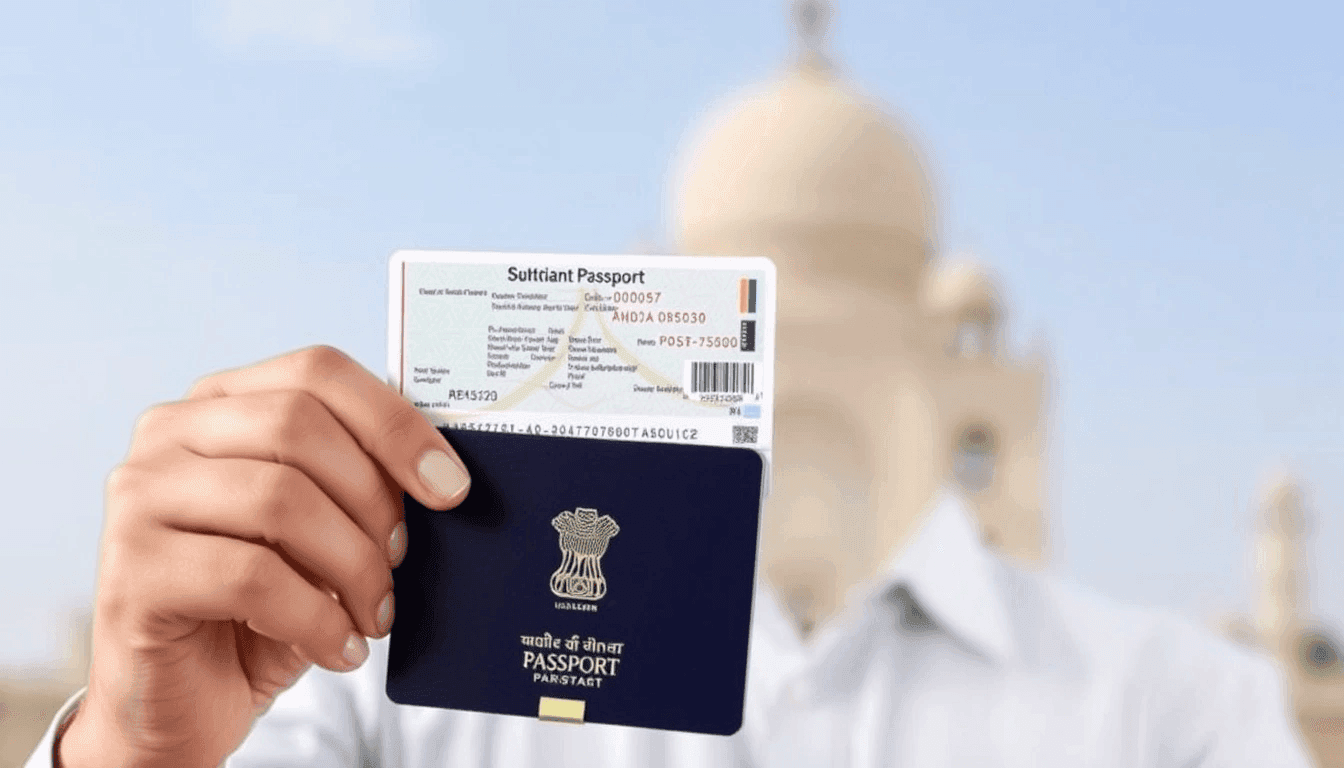
For many overseas Indians, the moment they acquire foreign citizenship is often accompanied by a critical administrative step: surrendering their Indian passport. This process, mandated by Indian law, culminates in the issuance of a Surrender Certificate, a document that officially confirms an individual has renounced their Indian citizenship. It isn't just a formality; it's a vital piece of personal history, often a prerequisite for future interactions with Indian authorities, from OCI card applications to property dealings. But what happens when this crucial document, often tucked away for years, goes missing?
The loss of a Surrender Certificate can feel like a significant hurdle, potentially complicating future administrative tasks and even leading to delays in critical applications. It's a situation that, while common, often catches individuals off guard, leaving them scrambling for a solution. Fortunately, the process for obtaining a duplicate, while requiring diligence and patience, is well-defined.
The journey begins with understanding why this document is so essential. India does not permit dual citizenship. Therefore, once an Indian citizen acquires foreign nationality, their Indian passport becomes invalid, and they are legally required to surrender it to the nearest Indian mission or consulate. The Surrender Certificate then serves as official proof of this renunciation, a clean break, if you will, from their former citizenship status. Without it, proving one's status can become a bureaucratic nightmare.
So, if you find yourself in the unenviable position of needing a duplicate, where do you start? The primary avenue for applying for a duplicate Surrender Certificate is through the Indian Embassy or Consulate General that initially issued the certificate, or the one with jurisdiction over your current residence abroad. Much like applying for a new passport or visa, this process requires careful attention to detail and a thorough compilation of supporting documents.
The first, and often most critical, step upon realizing your certificate is lost or stolen is to file a police report. This isn't merely a suggestion; it's typically a mandatory requirement. The report serves as official documentation of the loss, lending credibility to your application. Be sure to obtain a copy of this report, as it will be a cornerstone of your submission.
Next, you'll need to navigate the specific application procedures of the relevant Indian mission. Most consulates offer a "Miscellaneous Consular Services" application form, which covers requests like duplicate certificates. Along with this form, you'll need to prepare a comprehensive set of documents:
It's a meticulous list, and any missing piece can lead to delays. The processing fees for these services can vary by mission and are subject to change, so it's always wise to check the consulate's official website for the most current fee structure.
The processing time for a duplicate Surrender Certificate isn't immediate; applicants should prepare for a waiting period that can range from a few weeks to several months, depending on the volume of applications and the specific mission's workload. This is where patience becomes a virtue.
What's more interesting, from a broader perspective, is the increasing rigor with which Indian authorities are approaching citizenship matters. In recent years, there's been a heightened focus on ensuring that individuals who have acquired foreign citizenship formally renounce their Indian status. The Surrender Certificate, therefore, is not just a personal record; it's part of a larger administrative framework designed to uphold the principle of single citizenship. Its absence can trigger flags, particularly when dealing with sensitive issues like OCI card applications, which require a clear and undisputed renunciation of Indian ties.
Ultimately, obtaining a duplicate Indian passport Surrender Certificate is a testament to the fact that administrative compliance, even for documents seemingly forgotten, remains paramount. It underscores the importance of meticulously maintaining personal records and acting swiftly when vital documents are misplaced. While the process can feel like navigating a maze of bureaucracy, it's a necessary step to ensure smooth future interactions with the Indian government, affirming your status and preventing potential complications down the line.

Harleen Kaur Bawa is a licensed immigration attorney specializing in Canadian immigration and Indian services. With extensive experience in family sponsorship, Express Entry, refugee claims, and OCI services, she has successfully helped hundreds of clients navigate complex immigration processes.
Harleen holds degrees from York University - Osgoode Hall Law School and the University of Toronto, and is certified by the Law Society of Ontario and the Immigration Consultants of Canada Regulatory Council. She is committed to providing personalized, professional legal services to help clients achieve their immigration goals.

UK tightens student visa compliance for institutions. Discover stricter audits, penalties & crucial steps for international students to verify sponsors.

Master the global talent hunt. Understand employer-led immigration hurdles: diploma validation, lengthy visa waits, and variable processing by region impacting international hires.

Federal-provincial consultations in Canada aim to forge a national strategy for economic recovery, climate, & healthcare. Explore how this will redefine intergovernmental cooperation.